











Business Continuity Planning

Business Continuity Planning Services
Keep Your Business Running When Things Go Wrong.
When things go wrong, your business needs to keep moving. We help South Australian organisations plan, prepare, and respond, so you can recover quickly and keep delivering for the people who rely on you.
We don’t just deliver a business continuity plan and walk away. We take the time to explain it, train your team on how to execute it, and stay involved to make sure it works when it matters most. A plan that sits in a drawer isn’t a plan at all.


Get a Plan Built Around Your Business, Not a Generic Template
Built around your specific risks, your critical systems, and how your team really works.
Every organisation faces different risks and different recovery priorities. We never apply a generic business continuity planning framework and call it done. We take the time to understand your specific IT environment, your critical systems, and your operational dependencies, then build a practical, tested business continuity plan your team can actually execute when it counts.
Work With Senior Technicians Who Understand Your Environment
Experienced people building plans for real systems, not generic recommendations.
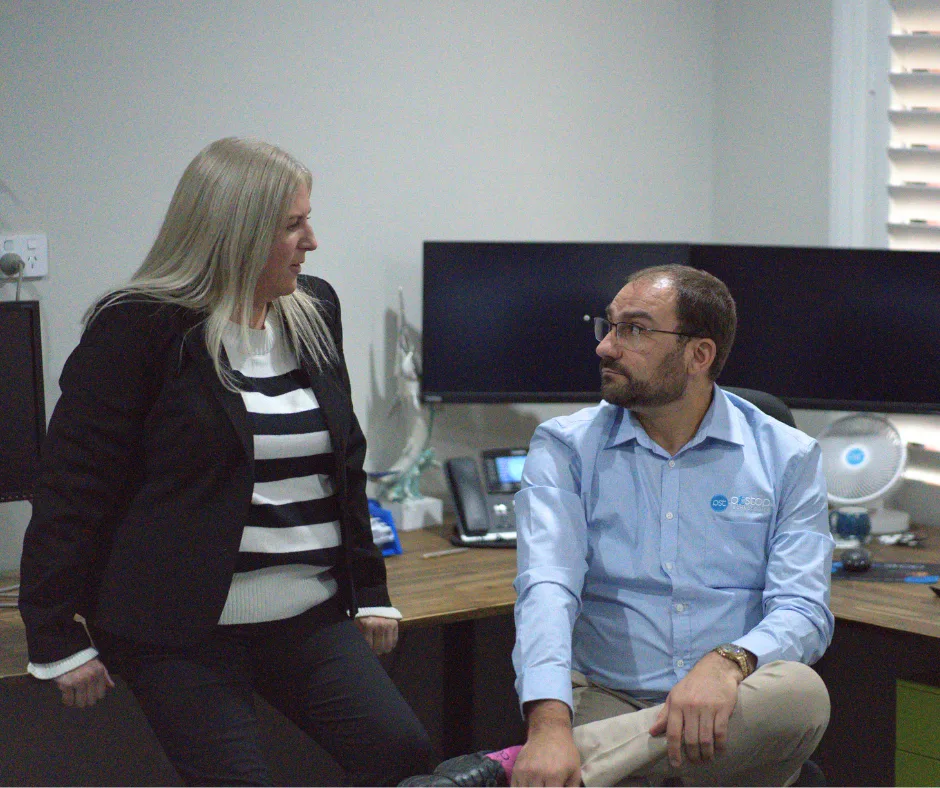
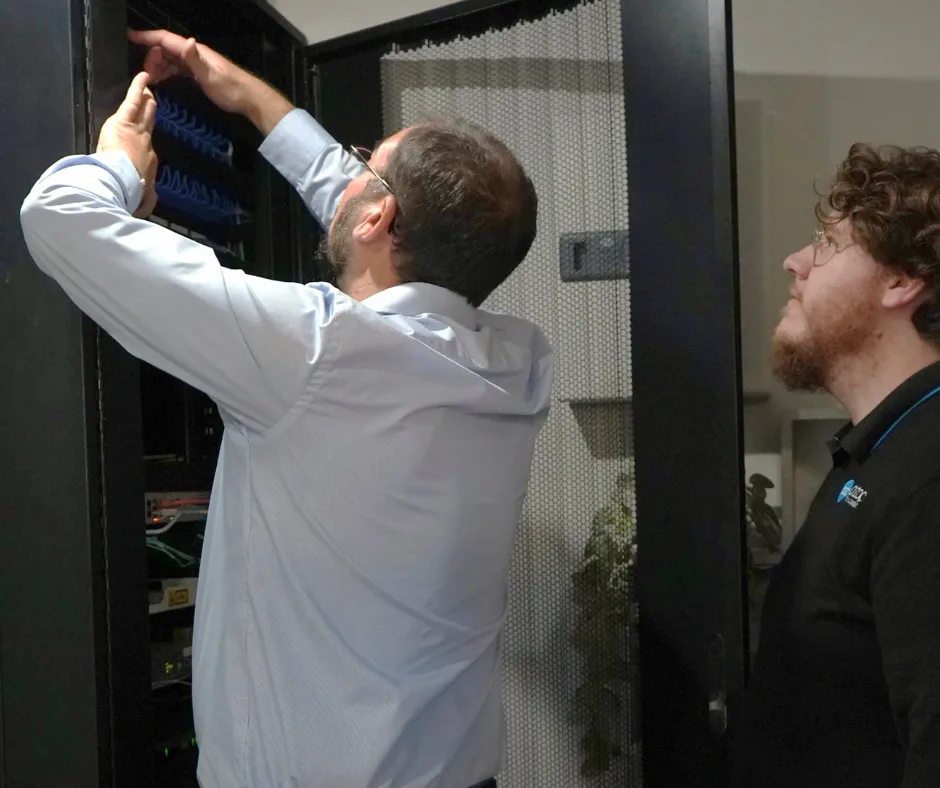
Your business continuity plan is only as good as the people who built it. Every BCP and disaster recovery engagement at Pit Stop Technologies is led by experienced senior technicians who understand the technical realities of your IT environment. That depth of knowledge means your plan addresses real risks with real, implementable solutions, not generic recommendations from someone who has never seen your systems.
Make Sure Your Plan Actually Works When You Need It
Tested, trained, and kept current as your business evolves.
A business continuity plan that sits in a drawer is worthless. We train your team on how to execute the plan, conduct BCP testing and simulation exercises to validate it works, and review and update it as your business evolves. Your business continuity plan remains a living, reliable asset that performs when your business needs it most.
Meet Your Compliance and Insurance Obligations With Confidence
Aligned with Essential Eight, industry frameworks, and insurer expectations.
For local government bodies, healthcare providers, and South Australian organisations operating under regulatory obligations, a documented business continuity plan is not optional. We build your BCP to satisfy Essential Eight requirements, industry-specific compliance obligations, and the expectations of insurers and supply chain partners, while remaining genuinely practical for the people who need to execute it.

A Clear, Practical Process That Delivers a Plan You Can Trust

1. Business Impact Analysis & Risk Assessment
We identify your critical business functions, map dependencies, and assess the risks most likely to disrupt your operations. The result is a clear picture of your risk exposure and the priorities that will shape your plan.

2. Business Continuity Plan Development
We develop a tailored BCP covering your people, systems, data, and operations, documented recovery procedures, communication protocols, escalation paths, and technology recovery strategies. Plain language, no generic templates.

3. Testing & Simulation Exercises
A plan that’s never been tested is a plan you can’t rely on. We run structured simulation exercises to validate your recovery strategies, measure actual recovery times against your objectives, and identify any gaps before a real incident does. Results are documented and used to strengthen the plan.

4. Team Training & Handover
We walk your team through the plan in detail, with practical training tailored to each role’s responsibilities during a disruption. We don’t consider the engagement complete until your key staff are confident and prepared.

5. Ongoing Review & Plan Maintenance
As your business evolves, so do your risks and recovery requirements. We schedule regular BCP reviews, update strategies after significant changes, and ensure your plan continues to meet your compliance obligations over time.
“Business Continuity isn’t a slide in a presentation for these guys, it’s something they actually deliver”
Darren Arbon, IT&T Coordinator, Mid Murray Council
FAQ’s
A business continuity plan (BCP) is a documented strategy that outlines how your organisation will continue operating during and after a disruptive event. Whether that’s a ransomware attack, natural disaster, power outage, or critical hardware failure. Without one, businesses are left making costly decisions under pressure with no clear roadmap. With a tested BCP in place, your team knows exactly what to do, who is responsible, and how to get your operations back on track as quickly as possible.
A business continuity plan is about keeping your business running, even when something goes wrong. It looks at the bigger picture, like how your team keeps working, how you communicate, and how you continue delivering services if systems are down or disrupted. A disaster recovery plan is more focused. It’s about getting your technology back up and running after an incident. That includes restoring systems, recovering data, and bringing your IT environment back to a stable state as quickly as possible. The two work together. Business continuity keeps things moving, while disaster recovery gets your systems back.
The timeline depends on the size and complexity of your organisation. For a small to medium business, a practical, documented BCP can typically be developed within four to eight weeks. For larger organisations or those with complex operational dependencies, the process may take longer. We work at a pace that suits your business and involve your team throughout. Because a BCP that your people understand and can execute is far more valuable than a document produced in isolation.
It depends on your industry and the nature of your organisation. Local government bodies, healthcare providers, financial services organisations, and businesses operating under government contracts frequently have compliance obligations that require a documented BCP or disaster recovery capability. Even where it isn’t legally mandated, many businesses find that clients, insurers, and partners increasingly expect evidence of continuity planning as part of their own risk management requirements. We can help you understand your specific obligations and build a plan that satisfies them.
At a minimum, your BCP should be reviewed annually, but ideally after any significant change to your business such as a major system upgrade, office relocation, staff restructure, or new compliance requirement. A business continuity plan that reflects how your organisation operated two years ago may not protect how it operates today. As part of our ongoing managed IT services, we help clients keep their BCP current, tested, and aligned with their evolving business environment.
BCP testing involves running simulated disruption scenarios to verify that your recovery strategies actually work as intended. This might include tabletop exercises where your team walks through their response to a hypothetical incident, or more involved technical tests that simulate system failures and measure actual recovery times. Testing is critical because it identifies gaps in your plan before a real incident does, and gives your team the confidence and familiarity to execute the plan effectively under pressure. We recommend testing at least annually and after any significant change to your IT environment.
Business Continuity Planning Built Around Your Business, Not a Template
We never apply a one size fits all approach to business continuity planning. We take the time to understand your organisation, your critical systems, and your operational dependencies, then build a practical, tested plan your team knows how to execute when it counts. Not a generic document. Not a PDF collecting dust.
Real risks, plain English, no PDFs collecting dust. Just honest advice from a team that genuinely cares about keeping you running.